Decoding Certification Pathways That Shape Feature Availability in Secure Mobile Table Game Platforms
Written by Avery Vogel · Sep 27, 2026

Decoding Certification Pathways That Shape Feature Availability in Secure Mobile Table Game Platforms
Certification pathways for secure mobile table game platforms determine which features reach players through structured testing and compliance processes that vary by jurisdiction and technical requirement, and observers note how these routes connect standards bodies with developers who must align encryption protocols, random number generators, and authentication systems before release. Data from industry testing labs shows that platforms incorporating certified elements gain access to real-time multiplayer modes, live dealer integrations, and advanced responsible gaming tools while uncertified builds remain limited to basic single-player functions.
Core Standards Driving Platform Capabilities
Organizations such as Gaming Laboratories International conduct evaluations that cover everything from RNG fairness to data transmission security, and these assessments directly influence whether a mobile application can offer features like instant cashouts or biometric logins. Researchers at testing facilities document how ISO/IEC 27001 certification combined with jurisdiction-specific audits creates layered approval chains that developers navigate sequentially, often beginning with laboratory verification before regulatory submission. Evidence indicates that table game titles relying on certified RNG modules unlock progressive jackpot systems and multi-hand play options unavailable to platforms using unverified algorithms.
Regional Variations in Approval Routes
North American regulators including the Nevada Gaming Control Board require separate reviews for mobile table game deployments that emphasize geolocation accuracy and transaction logging, whereas European frameworks prioritize data protection under GDPR alongside gaming-specific technical standards. Australian authorities apply additional scrutiny to live dealer streams in table games, which means platforms must complete extra certification steps before enabling video-based features. Those who track these differences observe that developers targeting multiple markets sequence their submissions to avoid redundant testing, and this approach accelerates availability of features such as cross-border tournaments once initial approvals clear.
But here's the thing: September 2026 marks the scheduled rollout of updated mobile security protocols under several North American and Asia-Pacific frameworks that will mandate enhanced encryption for real-time data streams in table games, and companies already aligned with current GLI standards anticipate smoother transitions to these new requirements.
How Testing Sequences Limit or Enable Specific Functions
Certification begins with functional testing of core mechanics like card shuffling algorithms and bet resolution engines, then progresses to penetration testing that examines vulnerability to external interference, and only after both stages pass can platforms introduce elements such as in-game chat or social sharing. Studies from independent labs reveal that delays in RNG certification frequently postpone rollout of tournament modes or leaderboard systems by several months, while early completion of security audits permits faster deployment of push notification features tied to game events. Observers note that developers often stage releases so basic table game variants reach markets first, followed by certified expansions that add multi-player tables or integrated payment wallets.
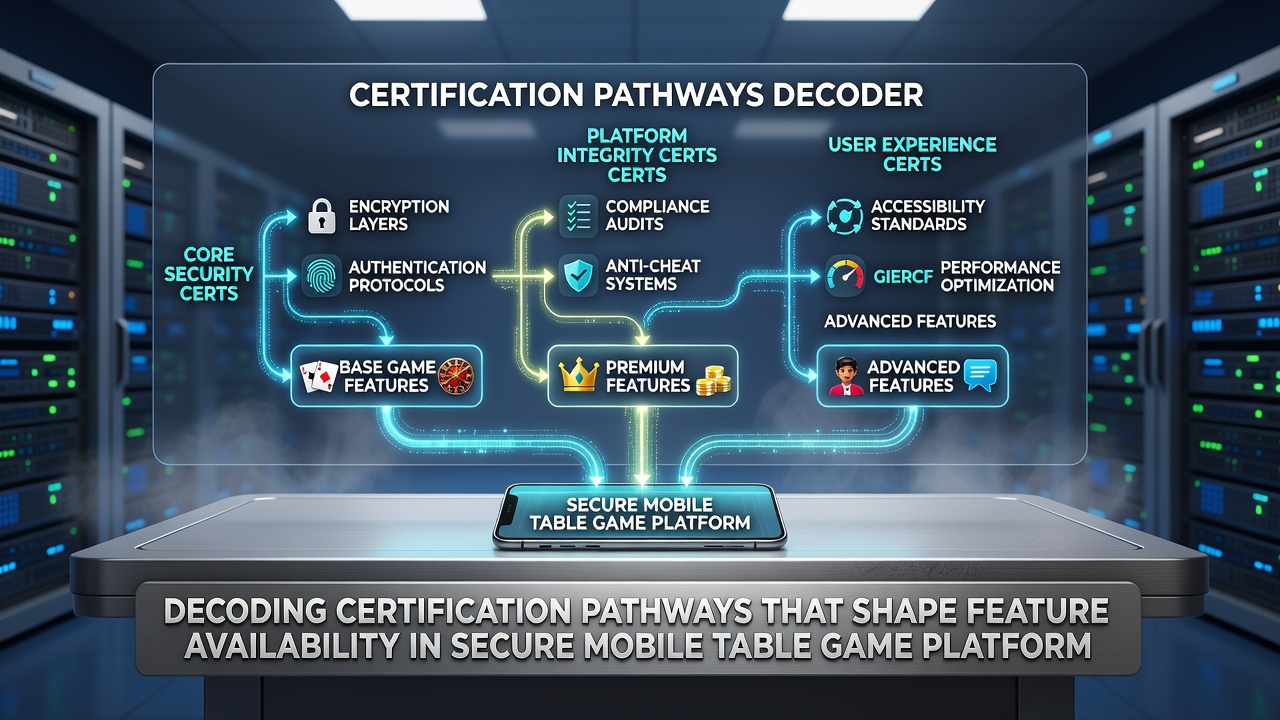
What's interesting is how certification pathways intersect with hardware considerations, since mobile operating system updates can trigger re-testing cycles that affect feature parity across devices. Data from platform operators shows that titles certified for both iOS and Android ecosystems maintain consistent availability of features like auto-play controls and session timers, whereas single-platform builds encounter restrictions until additional validation occurs. Industry reports further indicate that responsible gaming modules, including deposit limits and reality checks, require explicit certification endorsements before activation, which explains why some applications launch with limited player protection options initially.
Impact on Emerging Technologies and Future Rollouts
Integration of artificial intelligence for personalized game recommendations in table platforms demands separate certification reviews focused on algorithmic transparency and bias mitigation, and this process currently extends timelines compared to traditional RNG evaluations. According to Gaming Laboratories International documentation, upcoming standards effective in September 2026 will introduce dedicated testing criteria for AI-assisted dealer behaviors in mobile environments. Those who've examined certification timelines report that platforms investing in parallel testing across multiple jurisdictions reduce overall approval periods, allowing earlier access to advanced features such as augmented reality overlays on card tables.
Yet another layer involves payment and identity verification systems, where certification under frameworks like those administered by the Malta Gaming Authority enables secure integration of digital wallets and cryptocurrency options in table game applications. Evidence from regulatory filings demonstrates that certified payment pathways correlate with higher availability of instant deposit features, whereas uncertified alternatives remain restricted to slower bank transfer methods. Researchers continue to track how these interconnected requirements shape the competitive landscape, with operators who complete comprehensive certification sequences gaining broader feature sets ahead of rivals still navigating individual approval stages.
Conclusion
Certification pathways function as gatekeepers that translate technical compliance into concrete feature availability across secure mobile table game platforms, and the sequence of laboratory testing, regulatory review, and jurisdictional alignment determines which capabilities reach end users at any given time. Data from multiple regions confirms that platforms completing these routes systematically unlock progressive options including live interactions, enhanced security tools, and cross-device functionality while others remain constrained. As standards evolve toward September 2026, developers who map certification sequences in advance position their applications to incorporate new requirements without extended delays, and this pattern continues to define the boundaries of what secure mobile table game environments can deliver.