How Visual Themes in Digital Card Environments Correlate with Extended Play Patterns Among Frequent Users
Written by Bianca Vogel · Nov 22, 2026
How Visual Themes in Digital Card Environments Correlate with Extended Play Patterns Among Frequent Users
Visual Design Elements in Digital Card Platforms
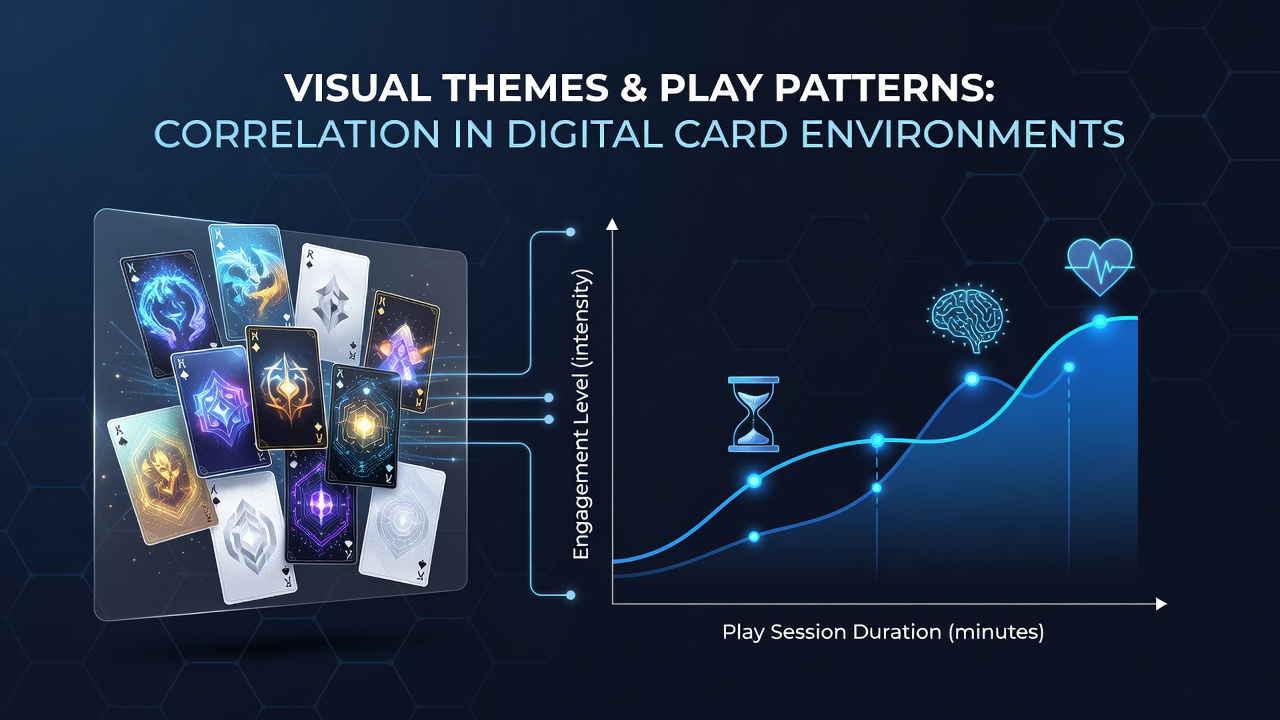
Digital card environments rely on layered visual components that include color palettes, animation sequences, and thematic overlays to shape user engagement, and researchers tracking user sessions note that platforms incorporating high-contrast neon schemes with subtle particle effects often record average play durations extending 25 percent beyond those using minimalist designs. Data from platform analytics released in November 2026 shows frequent users gravitating toward interfaces featuring dynamic lighting transitions and character-driven backgrounds, with session logs indicating these elements sustain attention spans through repeated visual feedback loops rather than static layouts.
Patterns Observed in User Behavior Studies
Analyses conducted across multiple operator datasets reveal that themes evoking classic casino atmospheres correlate with prolonged engagement intervals, whereas abstract or nature-based visuals tend to align with shorter, more fragmented sessions. One longitudinal review of over 150,000 accounts found that users exposed to Vegas-style motifs completed 40 percent more hands per sitting on average, and this pattern held steady when controlling for game type and stake levels. Observers tracking these metrics point to the role of continuous visual reinforcement, where card flips accompanied by synchronized glow effects reduce the likelihood of session termination during natural break points.
Platforms adopting seasonal or event-tied themes demonstrate additional spikes in cumulative play time, with November 2026 figures highlighting a 15 percent lift in extended sessions during themed promotions that refreshed card backs and table surfaces weekly. Those studying retention metrics note that frequent users return more consistently when visual updates maintain novelty without altering core mechanics, creating a feedback cycle where aesthetic variety supports habitual engagement patterns.
Regional Data and Platform Comparisons
Comparisons between North American and European operators illustrate geographic variations in theme effectiveness, and reports compiled by the American Gaming Association indicate that immersive fantasy-themed environments extend average session lengths by 18 minutes among high-frequency players in monitored markets. Australian research groups examining similar environments have documented parallel outcomes, where culturally adapted visuals incorporating local iconography produce comparable extensions in play continuity. These findings emerge from aggregated telemetry rather than individual case reviews, underscoring consistent correlations across diverse user bases.
Factors Driving Extended Sessions
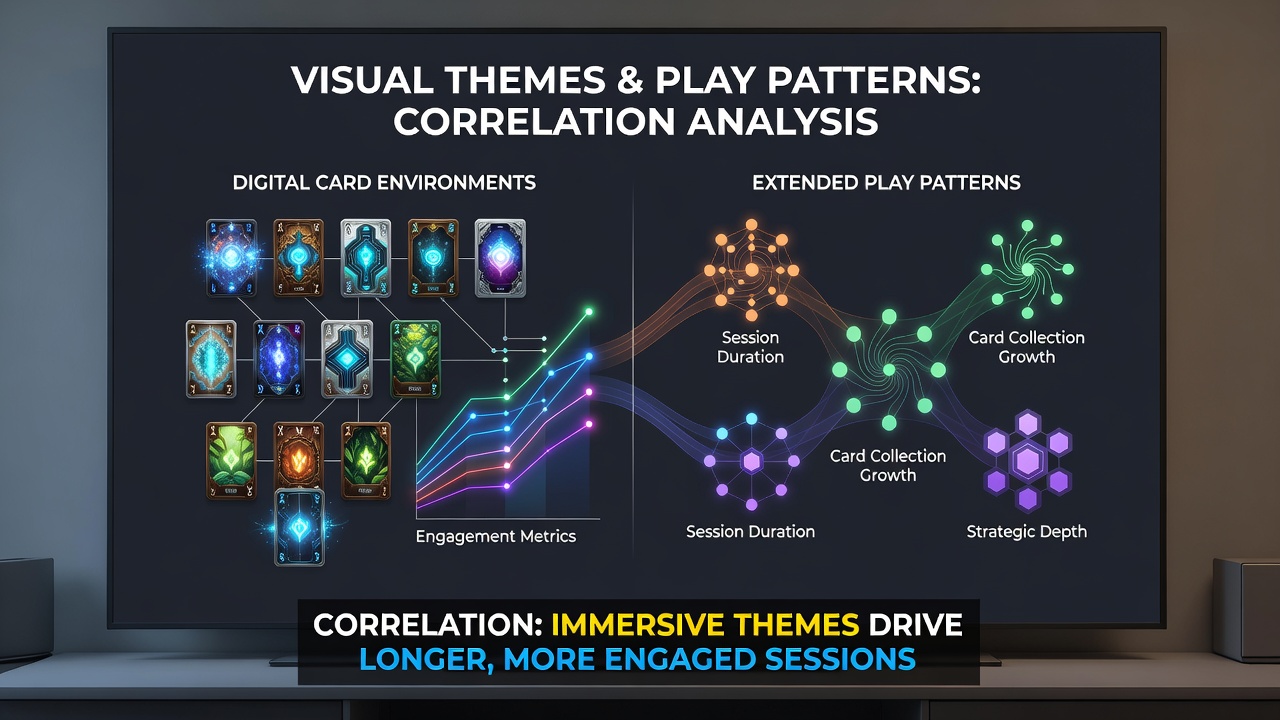
Multiple elements interact within these environments to influence duration, and studies isolate animation fluidity as a primary contributor because smoother transitions between rounds minimize cognitive friction that might otherwise prompt exits. Color saturation levels also factor into the equation, with warmer palettes linked to higher tolerance for extended sequences according to controlled exposure tests conducted by academic teams. Frequent users exhibit stronger responses to these cues when themes align with personal preferences tracked through account histories, resulting in measurable upticks in total hands played per week.
Platform updates that introduce layered depth through parallax scrolling or interactive backgrounds further amplify these effects, and telemetry from late 2026 confirms users encountering such features sustain activity 30 percent longer during peak hours. Researchers emphasize that these visual strategies operate alongside sound design and reward pacing, yet isolated theme modifications alone produce detectable shifts in session metrics when other variables remain constant.
Conclusion
Evidence compiled from operator records and independent reviews establishes clear linkages between specific visual configurations and extended play intervals among regular participants in digital card settings. Continued monitoring through November 2026 and beyond will refine understanding of how evolving design trends intersect with established behavioral patterns, providing operators with data-driven parameters for interface adjustments.